Back to top
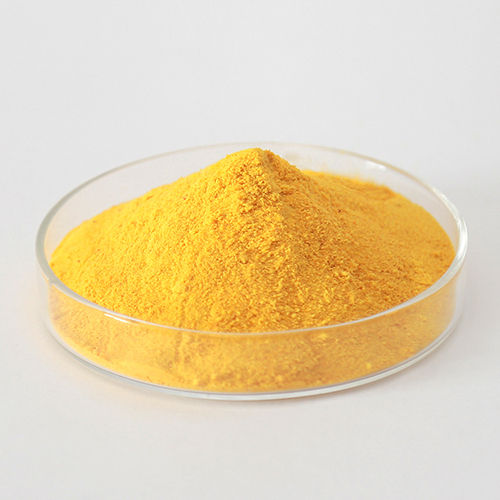
Polyaluminium Chloride (PAC)

Polyaluminium Chloride (PAC)

MOQ : 800 Kilograms

Polyaluminium Chloride (PAC) Specification

  • Solubility
  • Yes
  • Purity
  • High
  • Storage
  • Room Temperature
  • Grade
  • Industrial Grade
  • Type
  • Polyaluminium Chloride
  • Application
  • Industrial
 

Polyaluminium Chloride (PAC) Trade Information

  • Minimum Order Quantity
  • 800 Kilograms
  • Payment Terms
  • Cash in Advance (CID)
  • Supply Ability
  • 5000 Kilograms Per Month
  • Delivery Time
  • 7 Days
  • Main Domestic Market
  • Gujarat
 

About Polyaluminium Chloride (PAC)


Polyaluminium Chloride (PAC) is a highly efficient industrial-grade chemical widely used across various industries for its exceptional properties. With high purity and excellent solubility, PAC ensures optimal performance in applications like water treatment, paper manufacturing, and other industrial processes. Designed for use in industrial environments, this versatile product aids in coagulation and purification processes, enhancing productivity and reducing operational challenges. It is conveniently stored at room temperature, ensuring ease of handling and maintaining product stability. As an advanced chemical solution, Polyaluminium Chloride offers consistent results and dependable quality, making it a top choice for industries seeking reliable and effective treatment solutions. Ideal for exporters, suppliers, and traders, PAC promises superior results tailored to industrial needs.

FAQs of Polyaluminium Chloride (PAC):


Q: What is Polyaluminium Chloride (PAC) primarily used for?

A: PAC is primarily used in water treatment, paper manufacturing, and other industrial processes to improve purification and coagulation efficiency.

Q: What is the purity level of this product?

A: Polyaluminium Chloride comes with a high purity level to ensure optimal industrial performance.

Q: Is PAC soluble?

A: Yes, Polyaluminium Chloride has excellent solubility, allowing it to integrate seamlessly into various industrial applications.

Q: How should PAC be stored?

A: PAC should be stored at room temperature to maintain product stability and effectiveness.

Q: What type of businesses can benefit from this product?

A: Exporters, suppliers, and traders dealing with industrial-grade chemicals can greatly benefit from Polyaluminium Chloride.

Tell us about your requirement
product

Price:

Quantity
Select Unit

  • 50
  • 100
  • 200
  • 250
  • 500
  • 1000+
Additional detail
Mobile number

Email

More Products in Industrial Chemical Category

SLS Needle

SLS Needle

Price 160 INR / Kilograms

Minimum Order Quantity : 200 Kilograms

CAS No : 9004824

HS Code : 34021190

Application : Industrial, Other

Usage : Rug shampoos, light duty solutions, laundry detergent, and fine fabric wash
Methyl Paraben

Methyl Paraben

Price 400 INR / Kilograms

Minimum Order Quantity : 400 Kilograms

CAS No : 99763

HS Code : 29163190

Usage : Methylparaben is an antifungal agent often used in a variety of cosmetics and personalcare products. It is also used as a food preservative and has the E number E218. Methylparaben is commonly used as a fungicide in Drosophila food media at 0.1%.
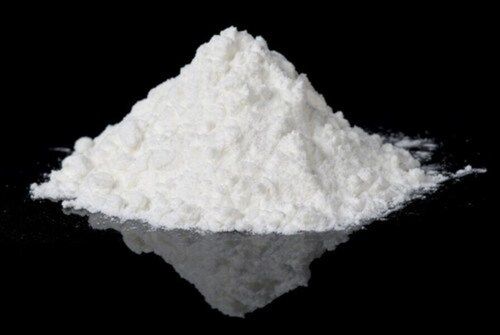
Boric acid

Boric acid

Price 125 INR / Kilograms

Minimum Order Quantity : 800 Kilograms

CAS No : 10043353

HS Code : 28100020

Application : Industrial, food

Usage : Boric acid is used as a fireproofing agent for wood, as a preservative, and as an antiseptic. It is used in the manufacture of glass, pottery, enamels, glazes, cosmetics, cements, porcelain, leather, carpets, hats, soaps, artificial gems, and in tanning, printing, dyeing, painting, and photography.
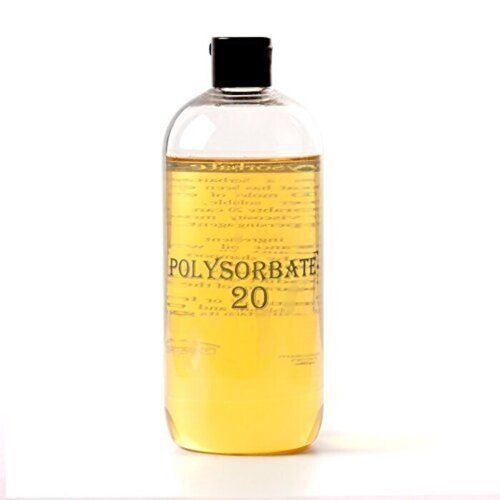
Tween 20 ( Polysorbate 20)

Tween 20 ( Polysorbate 20)

Price 155 INR / Kilograms

Minimum Order Quantity : 3520 Kilograms

CAS No : 9005645

HS Code : 34021300

Application : Industrial

Usage : TWEEN 20 is a frequently used member of the polysorbate family. These have been used as emulsifying agents for the preparation of stable oilin water emulsions. 4 TWEEN 20 has been used in pre extraction of membranes to remove peripheral proteins (used at 2% for extraction of membrane bound proteins).